
All about eyes
This is the first in a series of posts about common eye problems and what can be done about them. I hope you find it useful - please feel free make any comments and suggestions for future posts.
Pinguecula and pterygium: ‘surfers eye’
These first two conditions are quite common particularly in this area where many people spend a significant amount of time outdoors and in the sea. They are usually caused by exposure of the eye surface to the elements - UV light, wind and dust or sand. Sometimes they may also appear after an injury to the eye.
Symptoms of pinguecula and pterygium can include dry, itchy, burning eyes or feeling like something is in your eye. These two similar conditions differ somewhat in severity, appearance and impact on vision so I will describe them individually.
PINGUECULA
A pinguecula is a yellowish-white bump on your eye’s conjunctiva. Your conjunctiva is the clear membrane that covers the white part of your eye. A pinguecula typically forms on the inner side of your eyeball, close to your nose. But it can also appear on the outer side too.
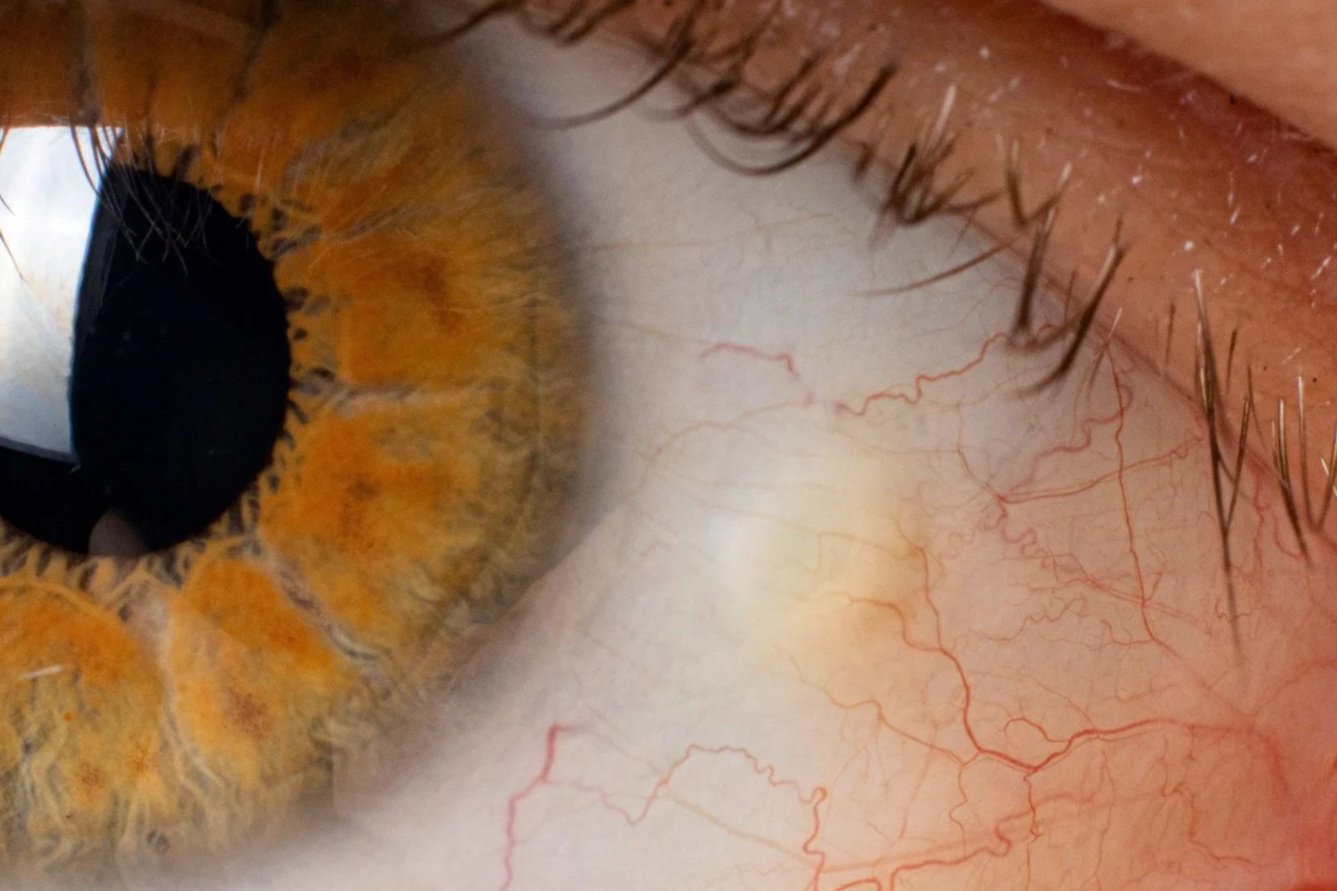
Pingueculae are common and usually harmless. They contain protein, fat or calcium deposits. Pingueculae don’t go away and may grow a little over time. They usually don’t cause visual problems although they can sometimes become inflamed, red and irritated.
Prevention and treatment: you can reduce the risk of developing pinguecula by protecting your eyes from the elements with sunglasses. If you are prone to dry, irritable eyes artificial tear drops will help to keep you comfortable and prevent worsening of any existing damage. Occasionally pinguecula can progress into pterygium.
Pterygium
A pterygium is a raised, fleshy growth that starts in the conjunctiva often at the edge of the cornea - where the coloured part meets the white part of the eye. The growth may look whiteish or pinkish and may have visible blood vessels in it. It usually grows very slowly across the cornea - the clear shell overlying the front central part of the eye.
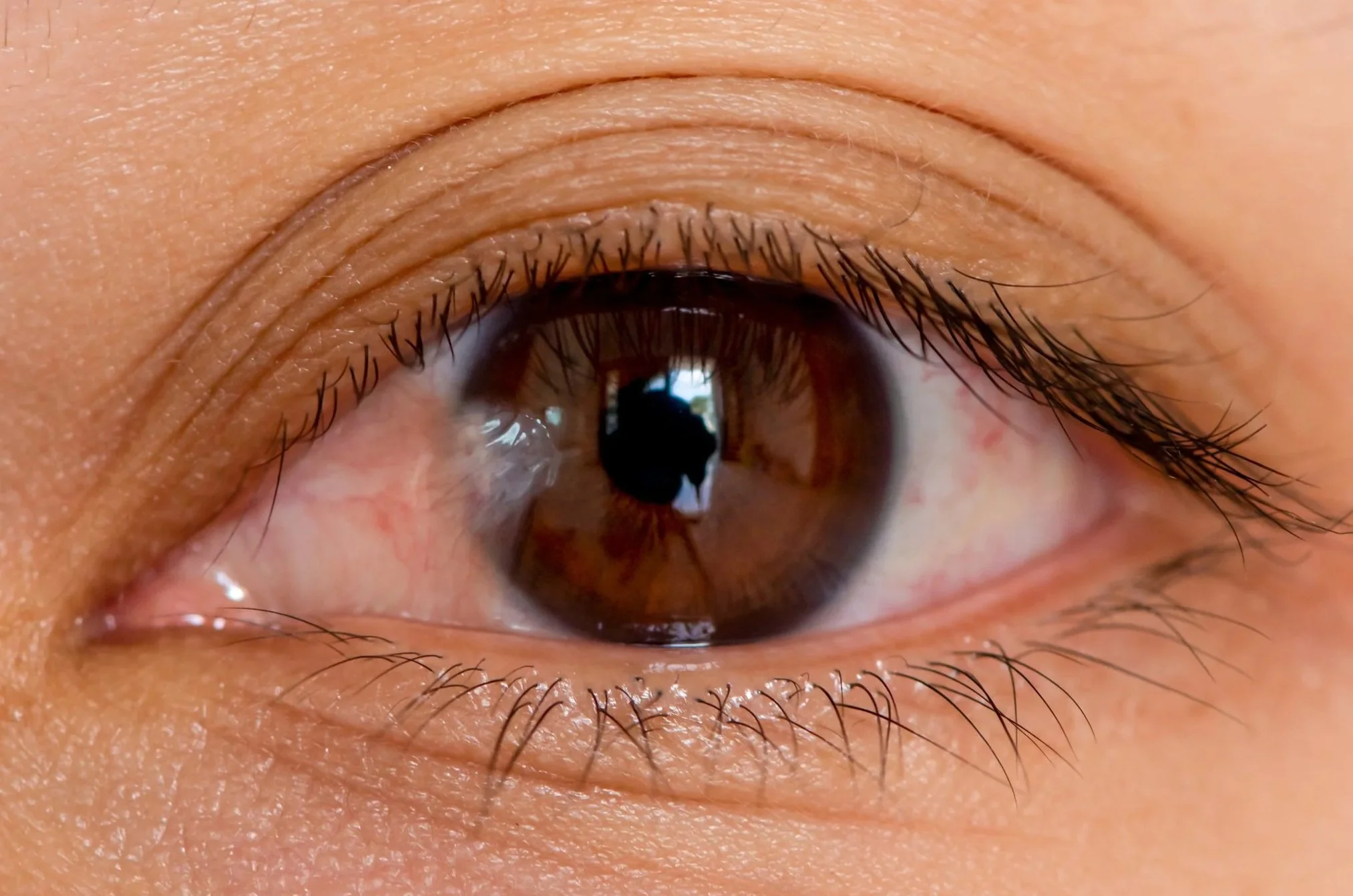
Pterygium typically has a triangular or wing-like shape. The word, “pterygium,” comes from the Greek words pteryx, meaning “wing,” and pterygion, meaning “fin.” Another name for pterygium is surfer’s eye. This is because surfers are often in the elements that cause pterygium — sun, wind, sand and salt.
As pterygium progresses it can cause issues with the vision. In the earlier stages it can distort the cornea by pulling it out of shape causing blurring and astigmatism. If it grows into the central part of the cornea it will also physically obscure the line of sight at which point surgical removal would be recommended.
Prevention and treatment: as with pinguecula protecting your eyes from the elements is the main way of combating pterygium. Good quality sunglasses, ideally with a wraparound shape if you are out in the wind and strong sun a lot are the best form of protection. Additionally artificial tears such as Hycosan Extra will help to keep the surface of the pinguecula hydrated and comfortable. These can be used frequently (4-6 x daily) if neccessary.
If a pterygium is causing significant issues with comfort, vision and cosmetic appearance it can be surgically removed. However there is some risk of recurrence particularly if there is continued exposure to triggering environmental factors. The opthalmologist will consider the risks and benefits carefully before recommending removal.
I hope this has been interesting and informative. There will be more ‘all about eyes’ coming soon!